The Legacy of Mule Day: Strength, Tradition, and Progress
For nearly two centuries, the city of Columbia, Tennessee, has stopped every April to honor an animal that is as stubborn as it is strong, as intelligent as it is hardworking, and as vital to American history as the steam engine: The Mule.
What started as a simple gathering of farmers in the 1840s has grown into a world-renowned, multi-day celebration that draws over 200,000 visitors to our corner of Middle Tennessee. Today, Mule Day is more than a festival—it is the heartbeat of Maury County and a bridge between our storied past and our industrious future.
The Origin: Breeder’s Day (1840s–1933)
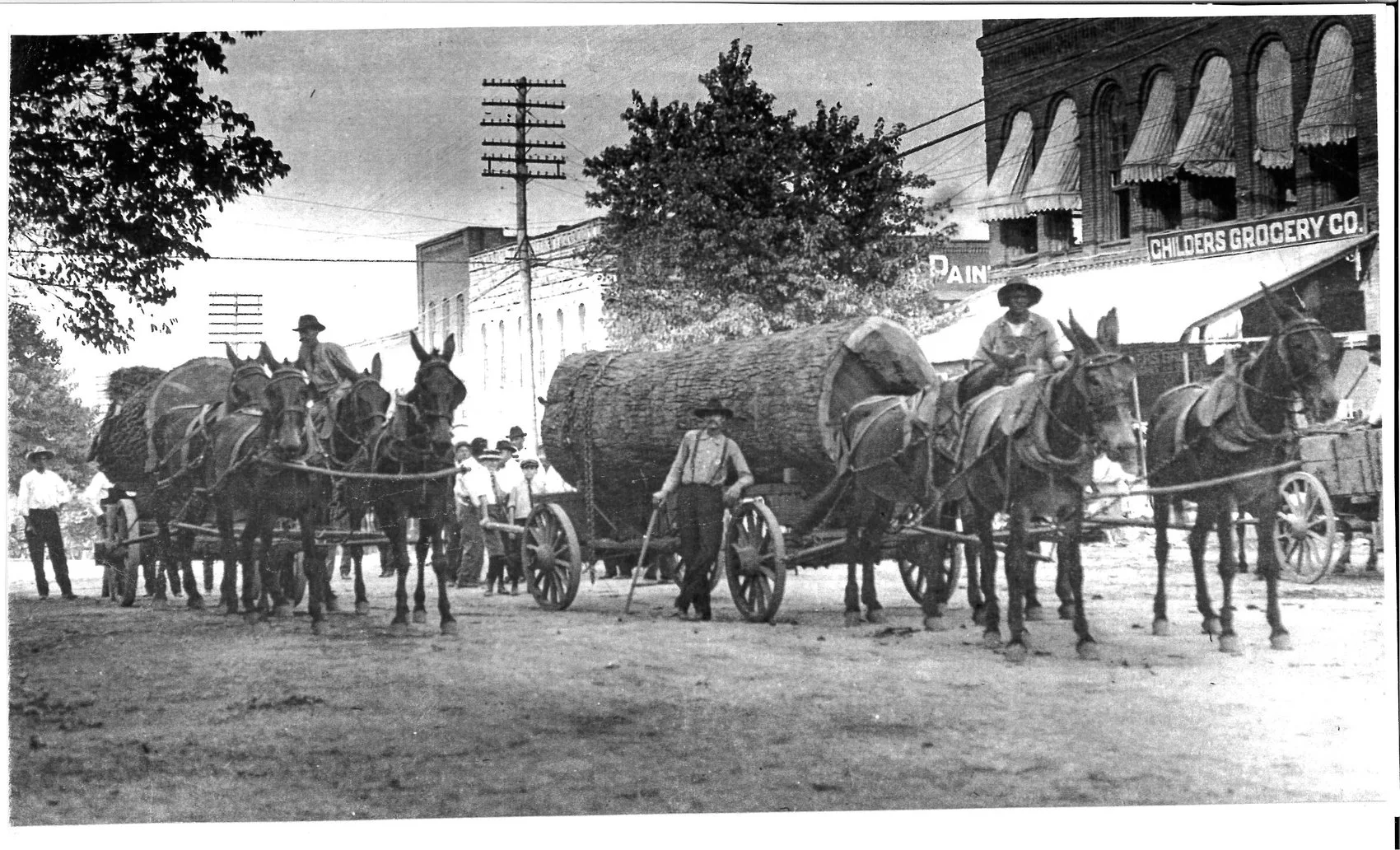
The roots of Mule Day run deep into the soil of the 19th century. In the 1840s, Columbia became a central hub for livestock trading. The first Monday in April was known as "Breeder’s Day," a time when farmers, breeders, and traders from across the Southeast converged on the Maury County Courthouse square to show, buy, and trade mules.
Because of the unique geography and agricultural prowess of Maury County, Columbia quickly became one of the largest livestock markets in the world. The mule wasn't just a farm animal; it was the engine of the Southern economy.
The First Parade: A Community Vision (1934)
By the early 20th century, the "market day" had become a local phenomenon. In 1933, Thomas Marion Brown—with the support of W.D. Hastings of the Daily Herald and J.J. Johnson—envisioned a way to turn this trading day into a true public celebration.
In 1934, the first official Mule Day Parade marched through downtown Columbia. Tom Brown designed the original Mule Day Crown (still on display today at the Maury County Public Library) and served as the first Grand Marshal, leading the parade for seven years.
The Rebirth: The Maury County Bridle & Saddle Club (1974)
While the celebration paused during World War II and eventually faded in the 1950s, the spirit of the mule never left Columbia. In 1973, a group of local leaders formed the Maury County Bridle & Saddle Club, a non-profit dedicated to preserving the area's equestrian heritage.
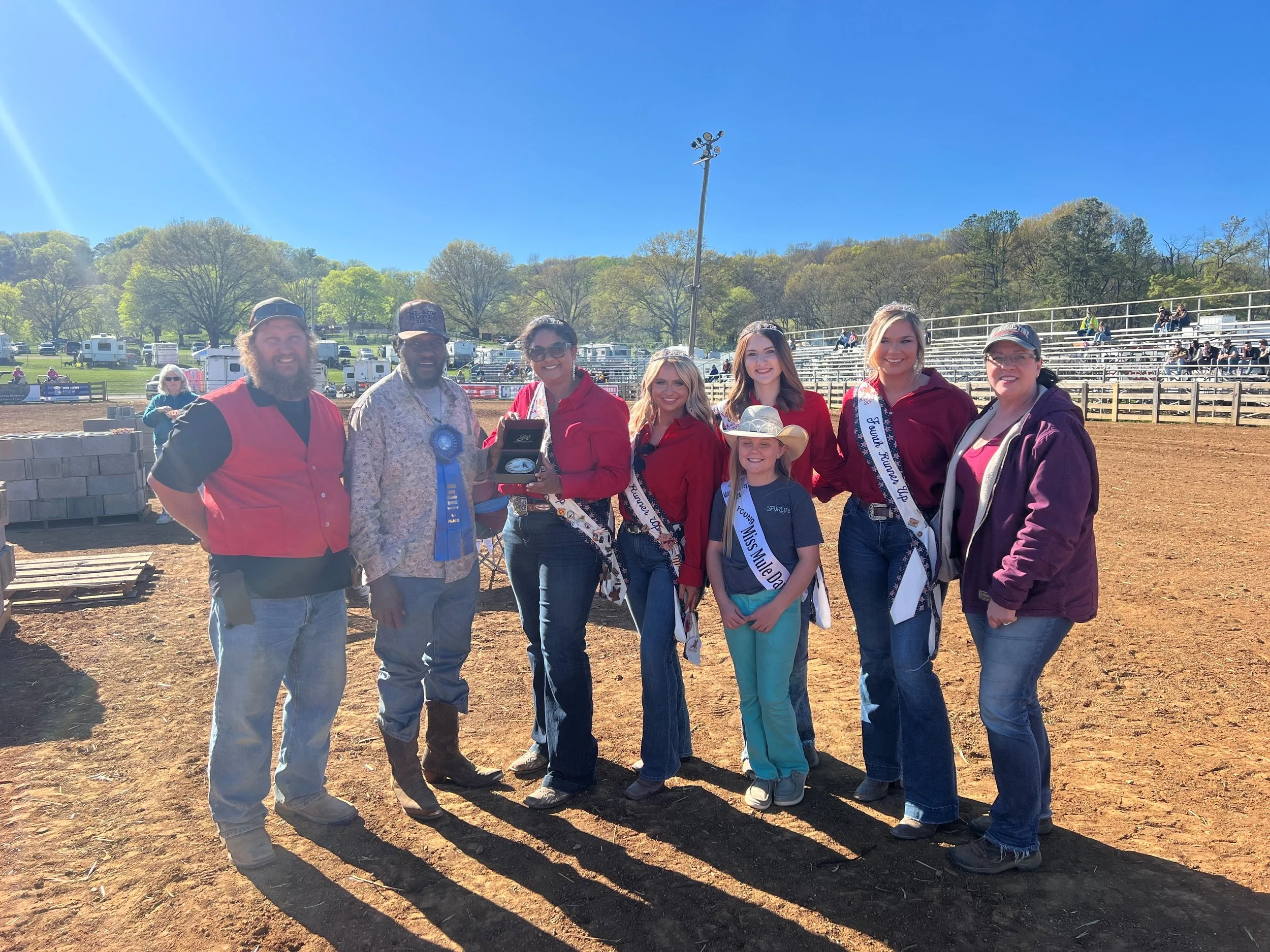
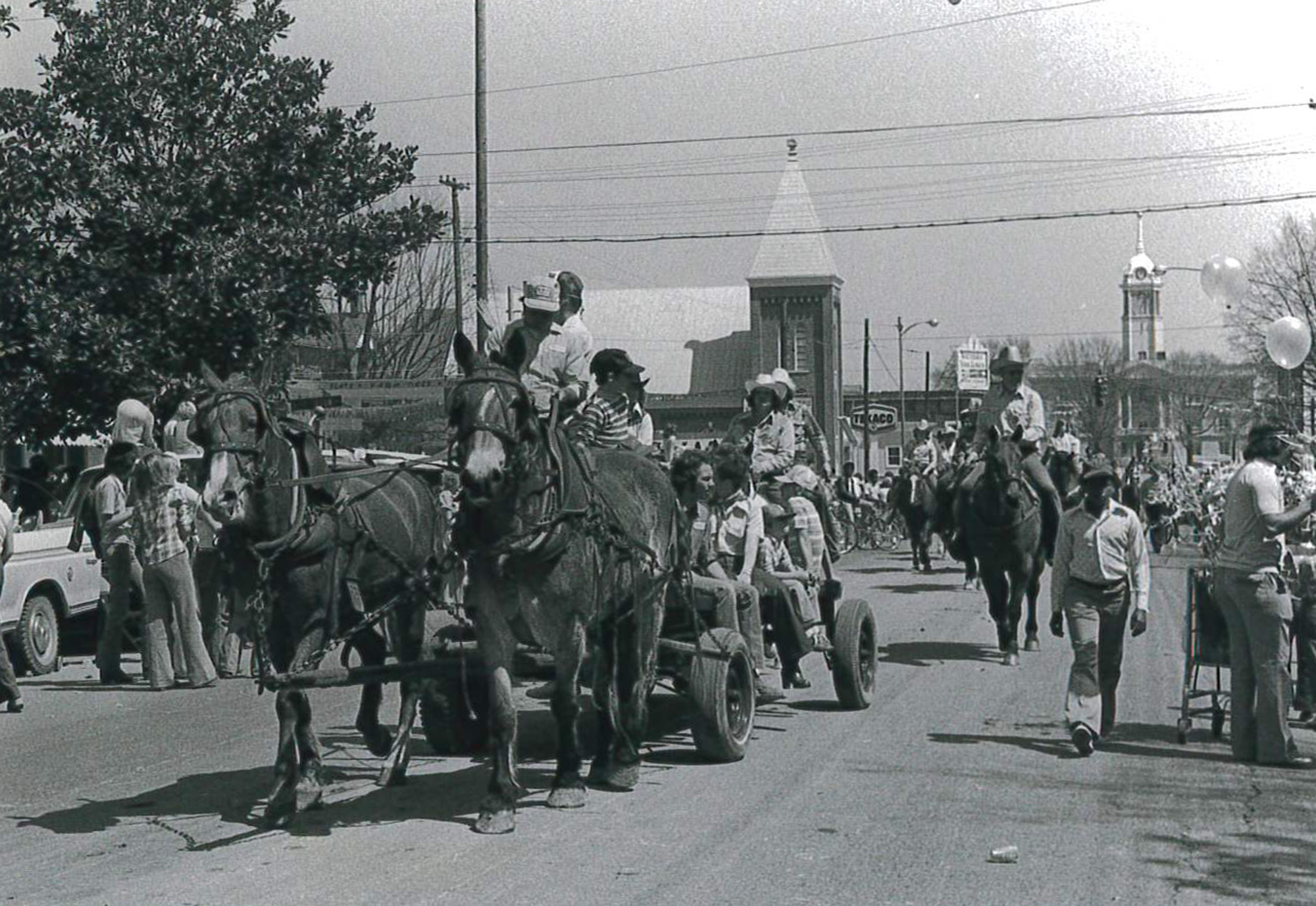
Looking for a way to give back to the community, the Club resurrected the festival in 1974. This "Renaissance Year" featured a Queen’s Contest, a mule show, and the return of the Saturday Parade. Since that rebirth, Mule Day has expanded from a one-day event into a week-long extravaganza that injects over $10 million into the local economy every year.
The Experience: Traditions That Endure
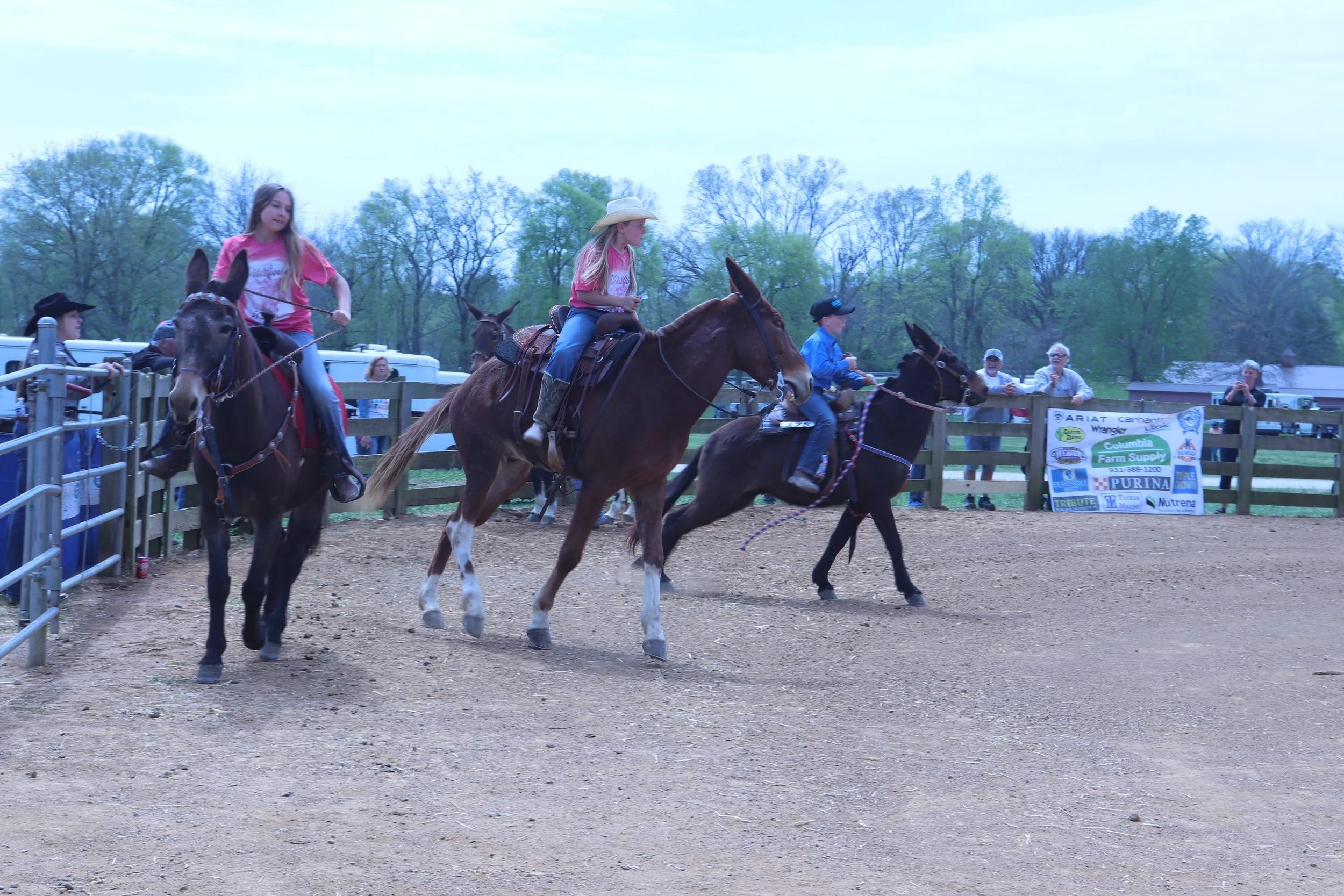
Mule Day is a sensory journey into Appalachian heritage. From the arrival of the Wagon Train on Wednesday to the final Riding Mule Show on Sunday, the week is packed with events you won't find anywhere else:
The Saturday Parade: Hundreds of mules, horses, and creative floats wind through historic downtown.
Competitions of Power: Old-fashioned log pulling, mule pulling, and the "Jackpot" mule races.
Rural Arts: The legendary Liars’ Contest, square dancing, bluegrass music, and a massive craft fair.